4SI / Presence

Presence.

The physical trust platform for a world beyond digital certainty.

Presence connects human authority, physical authenticity and institutional control — so consequential systems can verify what is actually there before they act.

THE CATEGORYPHYSICAL TRUST INFRASTRUCTURE

Digital systems can process a claim.
Presence helps establish its reality.

Presence is the shared architecture across 4SI products. It creates a governed path from a real person or object to a bounded verification result and, ultimately, to an accountable digital decision.

01 / THE SYSTEM

One platform.
Three products.

Each product owns a distinct boundary. Together they create a continuous trust path from physical reality into existing institutional systems.

02 / THE TRUST PATH

From physical reality
to bounded action.

The public sequence is deliberately simple. The protected verification mechanism remains inside CL Technology; the institutional logic around it stays explicit.

  1. 01DEFINE

    Set the authority.

    The institution defines who or what may act, under which policy and at which boundary.

  2. 02BIND

    Connect reality.

    A governed relationship connects a person or object to the expected trust record.

  3. 03PRESENT

    Bring presence.

    The Key or Layer is presented where higher assurance is required.

  4. 04VERIFY

    Return a result.

    An authorized point returns only the bounded result the decision requires.

  5. 05ACT

    Let policy decide.

    Presence Home or an integrated system permits, denies, records or escalates.

03 / PRESENCE KEYHUMAN AUTHORITY

The human
behind the decision.

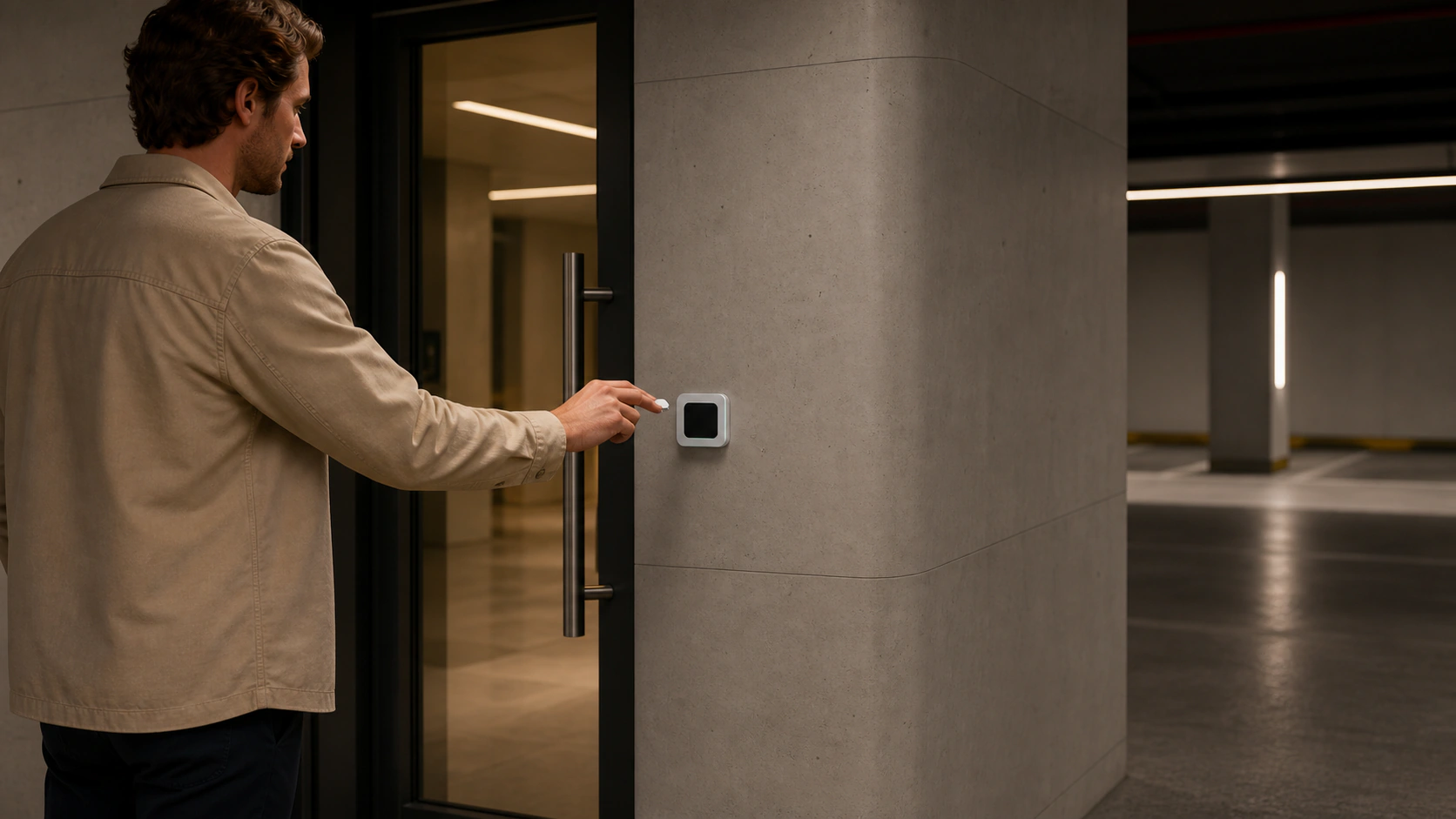
Presence Key is the physical interface for human authority. It helps establish that the expected person is physically participating before access, approval or control is granted.

01

High-assurance access

Add physical presence to critical physical and digital access paths.

02

Exceptional authorization

Require the expected human before sensitive approvals or transactions proceed.

03

Human-to-machine trust

Create an accountable human boundary before autonomous systems act.

04

Existing identity systems

Inform established identity and policy infrastructure rather than replacing it.

THE PROTECTED CORE

CL Technology.
The protected core.

CL Technology is 4SI's proprietary verification technology. Inside Presence, it supports a narrow physical verification result without exposing protected construction, raw physical data or security-sensitive implementation.

PUBLIC

Purpose · trust path · bounded result · integration boundary

CONTROLLED

Architecture · implementation · validation · performance

04 / PRESENCE LAYEROBJECT AUTHENTICITY

The object
behind the record.

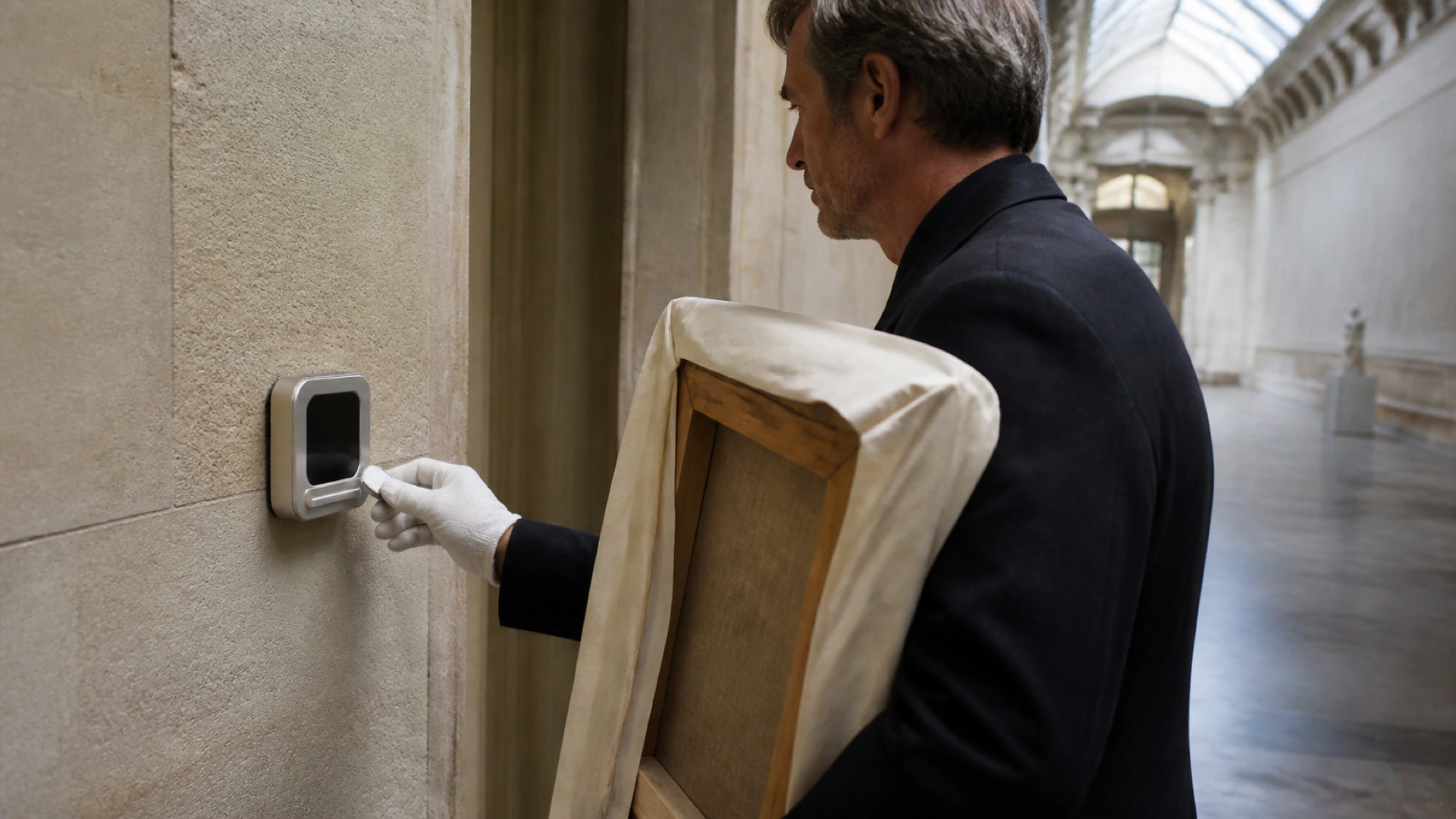
Presence Layer extends physical trust to products, components, documents and critical assets. It creates a governed connection between an object and the systems that represent its identity, custody and lifecycle.

A specialist evaluating the authenticity of a physically bound product
PRODUCT AUTHENTICITY

Verify selected manufacturing, custody, release and use events.

A controlled logistics handoff involving a protected physical asset
CONTROLLED HANDOFF

Connect responsibility transfers to the expected physical asset.

01

Product authenticity

Support verification across manufacturing, distribution and use.

02

Component integrity

Help identify substitution or unauthorized replacement at defined checkpoints.

03

Chain of custody

Connect physical handoffs to existing traceability and responsibility records.

04

Lifecycle verification

Maintain governed trust beyond the first point of enrollment or sale.

05 / PRESENCE HOMEINSTITUTIONAL CONTROL

The home for
physical trust.

Presence Home is the institutional environment for governing trust relationships, policy, verification events and integrations. Its private beta brings these control surfaces into one workspace while keeping physical proof bounded to its intended purpose.

06 / ONE CONTROL LANGUAGE

Three products.
One accountable event.

Presence gives institutions a consistent way to request, interpret and govern physical verification across different people, objects and operating environments.

07 / ASSURANCE BY DESIGN

Credibility begins with
explicit boundaries.

A serious deployment defines what Presence verifies, under which conditions, which authority interprets the result and what downstream action may follow.

01

Threat model

Define the adversary and the impersonation, substitution or control failure that matters.

02

Verification policy

Specify where physical proof is required and which assurance level is appropriate.

03

Integration boundary

Control which result enters identity, transaction, operational or AI systems.

04

Lifecycle control

Govern enrollment, use, exception, review, revocation and retirement.

08 / DEPLOYMENT PATH

Begin with a boundary.
Scale with evidence.

Presence is introduced against a concrete trust failure, not as an abstract enterprise transformation.

  1. 01
    FRAME

    Define the consequential boundary.

    Identify the person, object, action and failure mode that require stronger trust.

  2. 02
    EVALUATE

    Test the relevant claims.

    Establish operating conditions, assurance requirements and validation criteria.

  3. 03
    INTEGRATE

    Connect policy to action.

    Introduce bounded results into the systems already governing the workflow.

  4. 04
    EXPAND

    Scale the trust architecture.

    Extend coverage only where evidence, operations and governance support it.

PRESENCE / STRATEGIC ACCESS

Bring reality
back into the decision.

Evaluate Presence against a defined authority, authenticity or control boundary.

Contact 4SI