
Unlock.
A mobility service could check you are there before releasing a vehicle you are allowed to use.

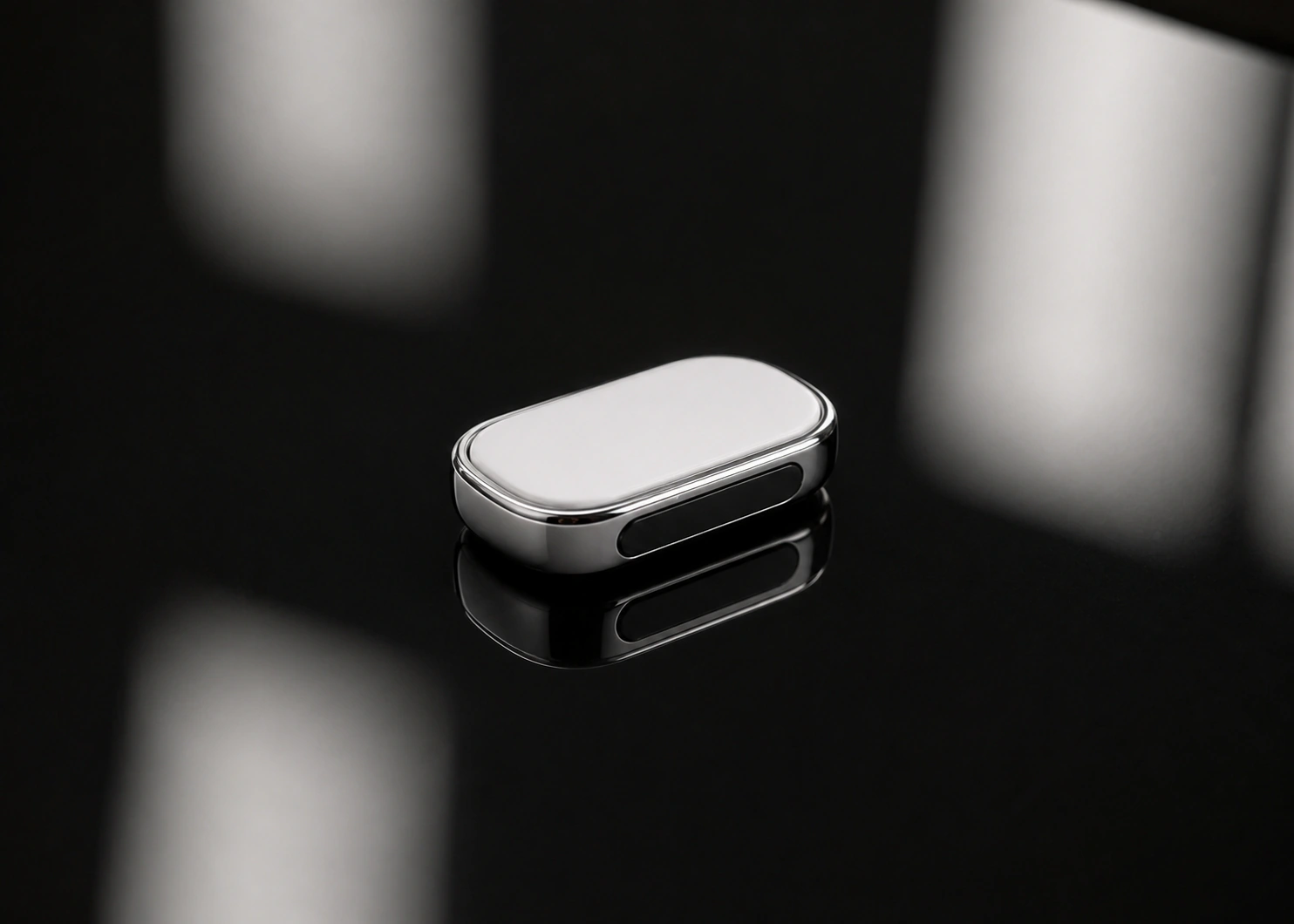
Presence Key · In development · Planned 2027
A small personal device designed to confirm you are physically present before a payment, sign-in or access request goes ahead.
01 / What the Key does
Your Key is set up for you. A participating service can then ask for a physical check that you and your Key are present for one particular action.
A participating service asks for a Presence check before a payment, sign-in or access request goes ahead.
You use your Key at an enabled physical checkpoint. Presence checks you and your Key for that specific request.
The result helps the service decide whether to continue. Its permissions, limits and other safeguards still apply.
An intended payment experience
A payment is waiting for confirmation. The service asks for a Presence check. You present your Key at an enabled checkpoint. The result relates to that payment; the service still applies its approval rules. The Key does not move the money itself.
In development. Planned for 2027. These are intended experiences, not services available today. Availability depends on partner integration and validation.



02 / One small gesture
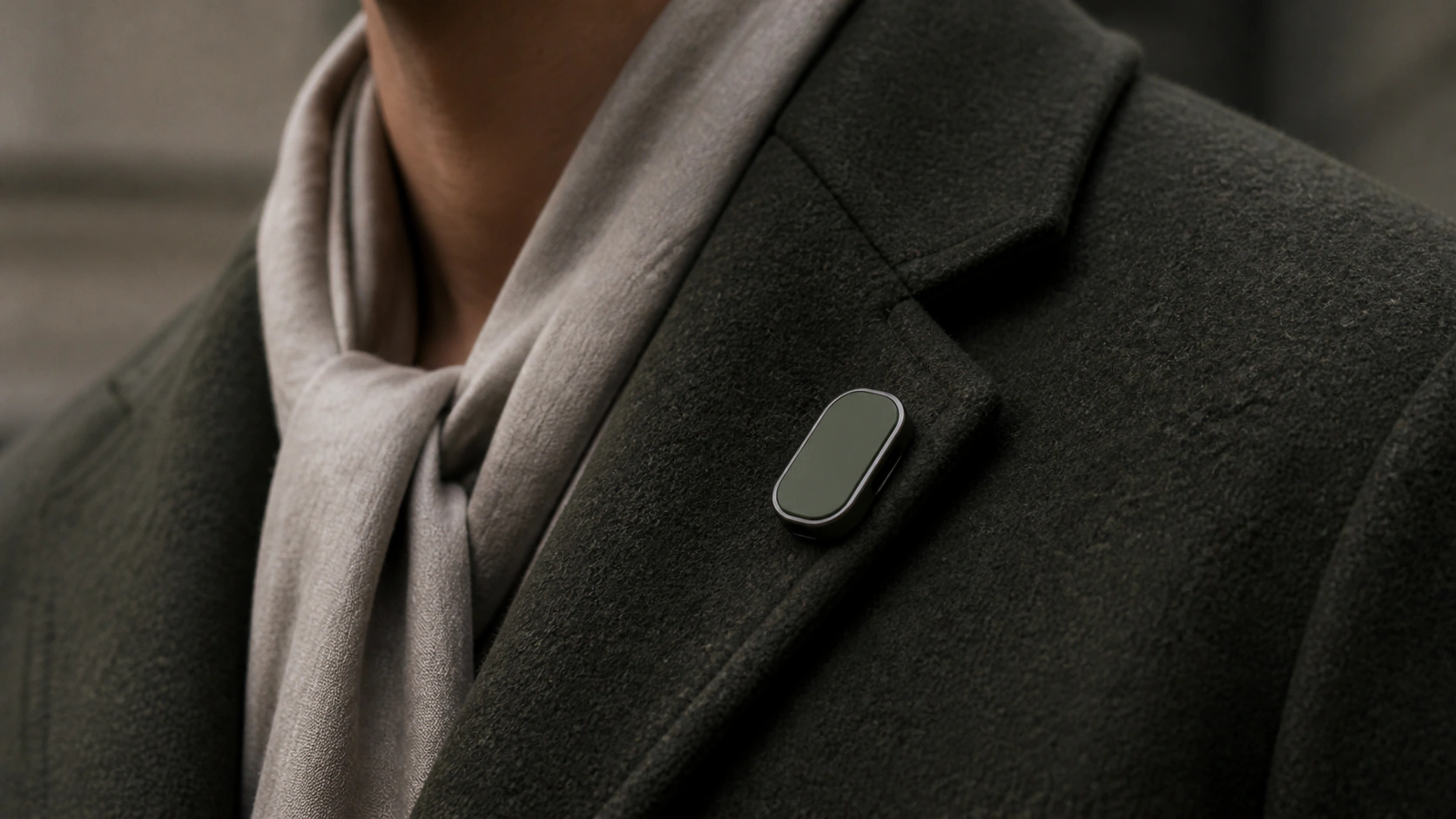
The same physical check could support different participating services. Each service needs a Presence integration; the Key does not work with every existing door, payment terminal or website.
A mobility service could check you are there before releasing a vehicle you are allowed to use.

A participating building or hotel could request your presence before allowing access.
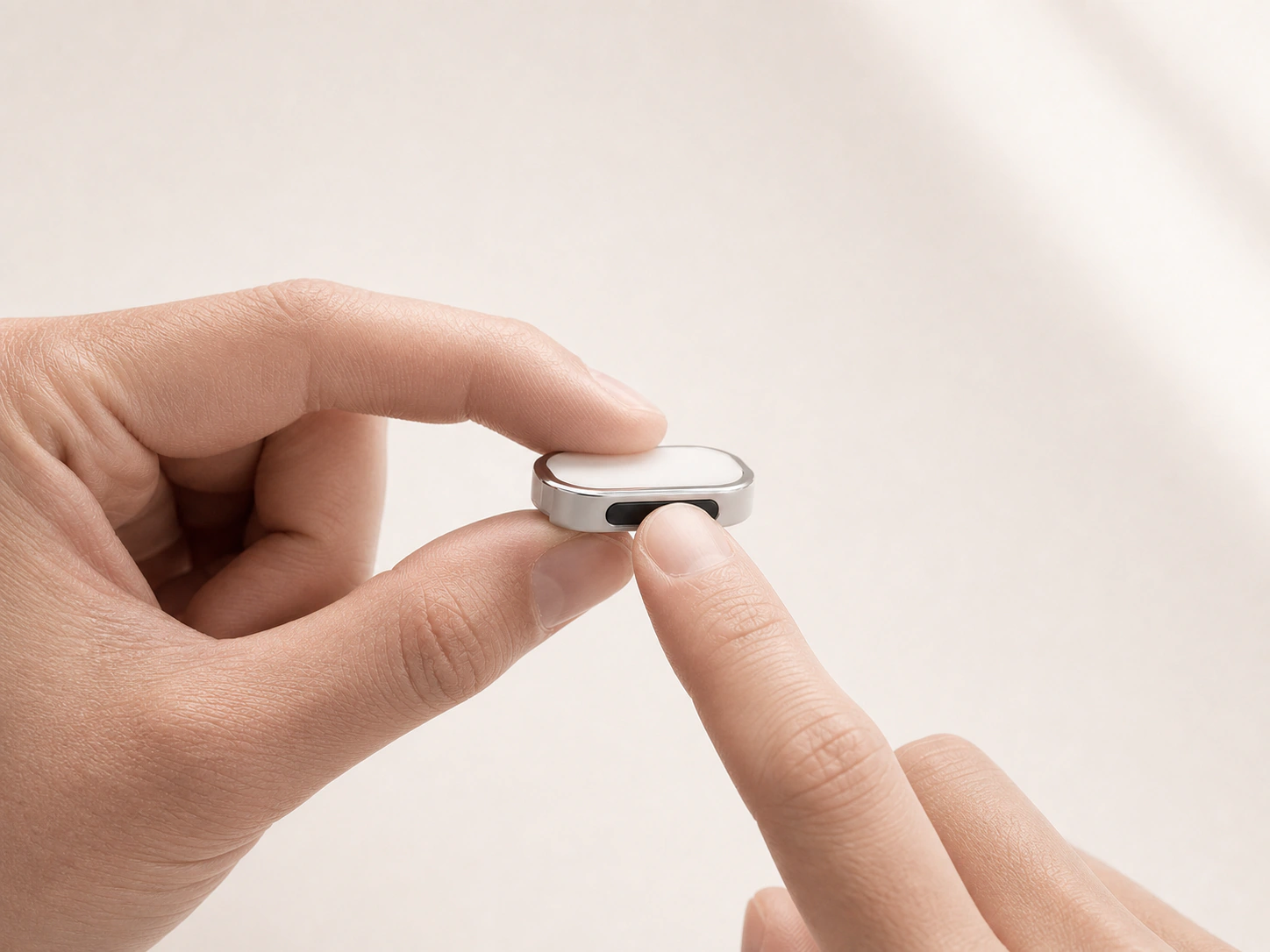
A service could request a fresh physical check before a specific payment or important action.
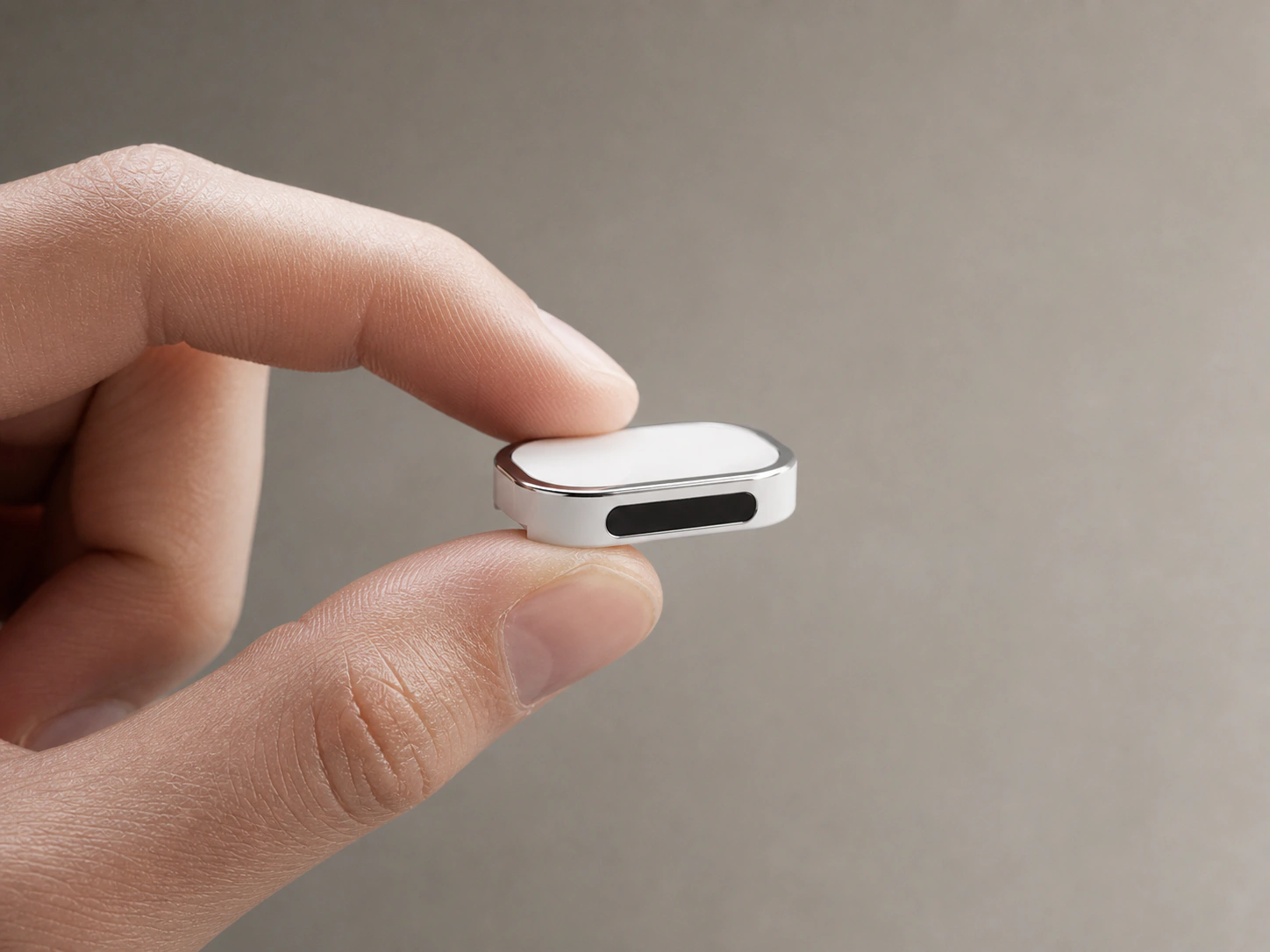
A supported account or device could ask for your physical presence as part of sign-in.

03 / Always yours
The Key is designed for its registered person—not simply whoever finds it. Deactivation and replacement are part of the planned lifecycle. Availability, recovery steps and eligibility will follow the final release terms.
04 / Quiet confidence
The Key itself is designed without wireless pairing or a permanent internet connection. The service still needs its own integration.
Set up for its registered person. Holding the object alone is not the intended basis for a successful check.
Designed for everyday use. Final operating-life specifications depend on validation.
Deactivation and replacement are planned. Final program terms will define the process and any costs.